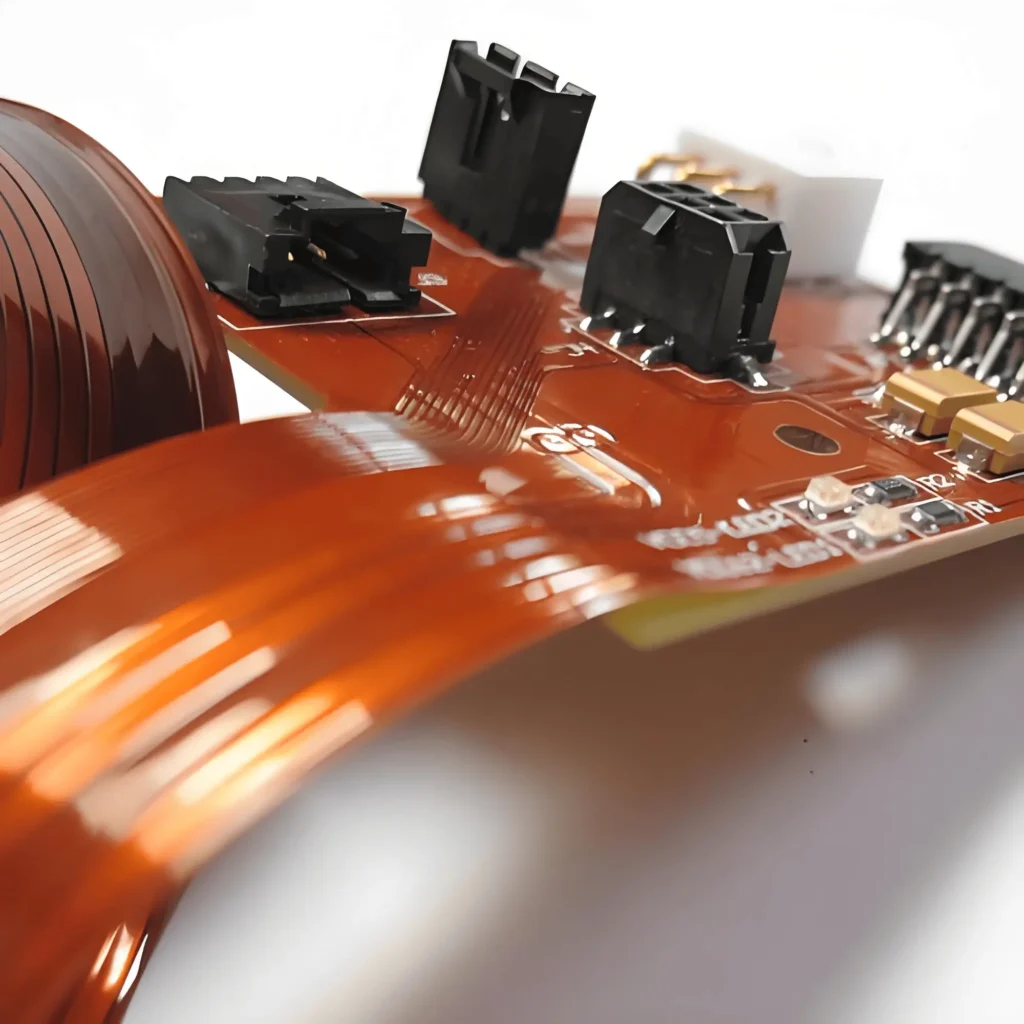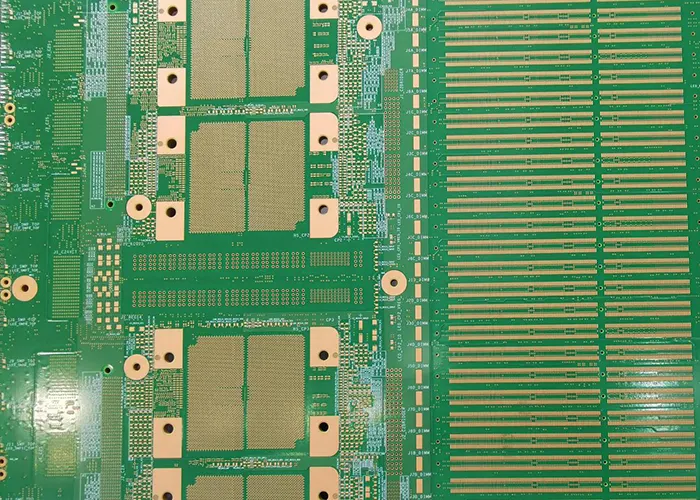
Precision FR4 PCBs, Sensibly Priced.

Brominated flame-retardant G-10 successor. Standard PCB epoxy laminate.

FR-4 is a composite material composed of woven fiberglass cloth with an epoxy resin binder that is flame resistant (self-extinguishing) . FR-4 offers good strength, stable electrical performance, and durability, making it suitable for a wide range of consumer, industrial, and automotive electronics.

FR-4 PCB

FR-4 is the most widely used substrate material in printed circuit board manufacturing. The name FR-4 comes from the material classification defined by the National Electrical Manufacturers Association (NEMA) and refers to a type of flame-retardant composite laminate used as the base material of PCBs.

Flame Retardant Grade 4

The term FR stands for Flame Retardant, meaning the material is designed to resist ignition and slow the spread of fire. The number 4 represents a specific grade within the NEMA laminate classification system.

FR-4 materials typically meet the UL94-V0 flame resistance standard, which ensures that the material self-extinguishes quickly after the removal of a flame source.

This property makes FR-4 suitable for electronic products where safety and fire resistance are critical.

Glass-Fiber Reinforced Epoxy Laminate

Technically, FR-4 is a glass-fiber reinforced epoxy laminate. It is made by impregnating woven fiberglass cloth with epoxy resin and curing it under heat and pressure to form a rigid insulating sheet.

This composite structure provides an excellent balance of mechanical strength, electrical insulation, thermal stability, and cost efficiency, which is why it is widely used as the base material for single-layer, double-layer, and multilayer printed circuit boards.

Woven Fiberglass Cloth

The core reinforcement of FR-4 material is woven fiberglass cloth. This glass fiber fabric provides high mechanical strength, dimensional stability, and resistance to deformation. The woven structure helps the laminate maintain its shape during manufacturing processes such as drilling, soldering, and thermal cycling.

Epoxy Resin Binder

The fiberglass cloth is impregnated with epoxy resin, which acts as the binding matrix that holds the glass fibers together. The epoxy resin provides electrical insulation, chemical resistance, and thermal stability. After curing, the resin forms a rigid dielectric layer that separates the conductive copper circuits in the PCB.

Copper Foil Layers

On the outer surfaces of the FR-4 laminate, copper foil layers are laminated to create the conductive paths of the circuit board. During PCB fabrication, these copper layers are patterned through photolithography and etching to form traces, pads, and electrical connections. In multilayer PCBs, multiple copper layers are stacked and laminated together with FR-4 prepreg layers to build complex circuit structures.

Manufacturing Capacity and Specifications

Summary of Key Characteristics of FR4 PCB

Characteristic Dimension FR4 PCB Details
Layer count 1, 2, 4, 6, ...32 layers
Material Composition A laminated composite made of woven fiberglass cloth bonded with epoxy resin.
Name Meaning “FR4” stands for Flame Retardant 4, indicating a flame-resistance grade compliant with NEMA standards.
Electrical Performance Dielectric constant typically ranges from 4.0 to 5.0. Suitable for most high-frequency circuits, but limited in ultra-high-frequency and microwave applications.
Mechanical & Thermal Performance High mechanical strength with relatively low thermal conductivity. Suitable for standard operating temperatures; ceramic substrates are recommended for extreme high-temperature environments.
Cost & Manufacturability Cost-effective with mature manufacturing processes. Supports flexible designs from single-layer and double-layer to multilayer PCBs.
Primary Application Areas Widely used in consumer electronics, industrial equipment, automotive electronics, and communication devices.
Main Challenges Moisture absorption, increased signal loss at very high frequencies, and inherent thermal performance limitations.

FR-4 PCB Types

FR-4 PCBs come in several variations designed for different performance requirements, such as higher temperature resistance, environmental compliance, or improved electrical performance. Choosing the right FR-4 type helps ensure reliable operation and optimal cost for specific electronic applications.

PROTO

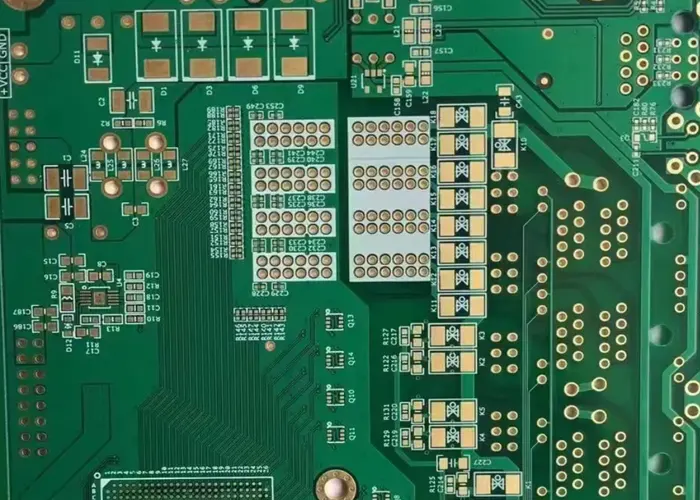
Standard FR-4 PCB

Standard FR-4 PCB is the most widely used PCB material, offering good electrical insulation, mechanical strength, and low cost. It is suitable for most general electronic products.
PCB2

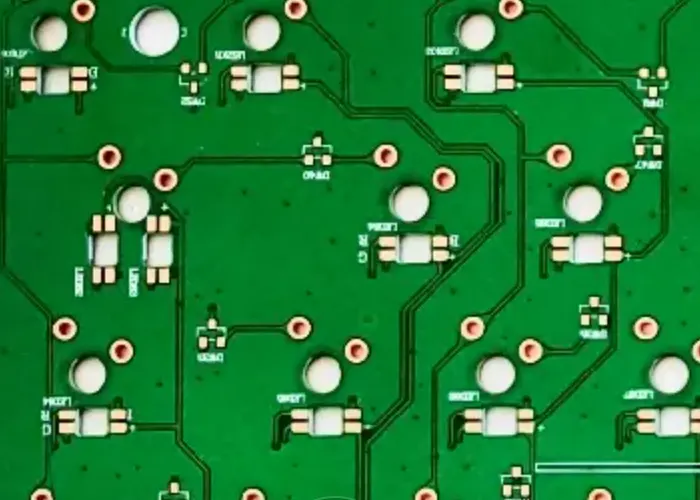
High-Tg FR-4 PCB

High-Tg FR-4 PCB has a higher glass transition temperature, providing better thermal stability for high-temperature processes and demanding applications.
PCB3

Halogen-Free FR-4 PCB

Halogen-free FR-4 PCB uses environmentally friendly materials without bromine or chlorine, meeting modern environmental and safety standards.
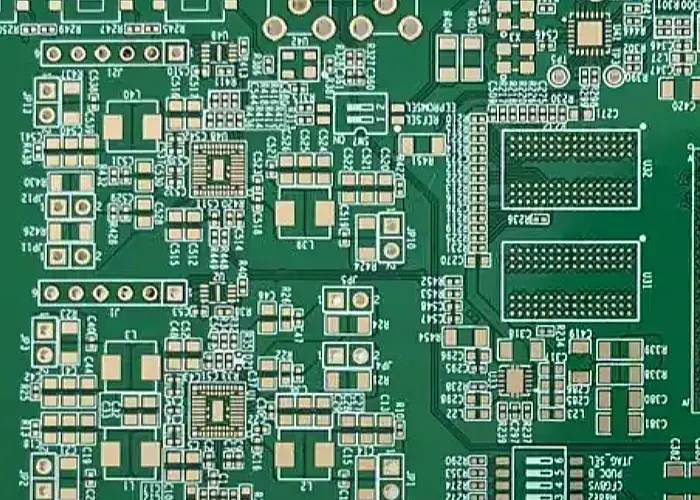
PCB4

High-Frequency Modified FR-4

High-frequency modified FR-4 is designed for improved signal performance in high-speed and RF applications by reducing dielectric loss.

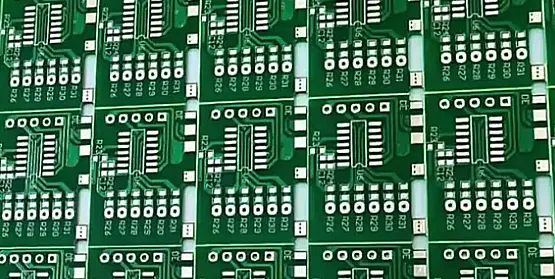
FR-4 PCB Stackup and Thickness Options

FR-4 PCBs are available in various stackups and thickness options to meet different electrical and mechanical requirements. By adjusting the number of layers and dielectric materials, designers can optimize performance, impedance control, and board strength.

FR-4 PCB Manufacturing Process

The FR-4 PCB manufacturing process involves several precise steps to transform raw laminate materials into functional circuit boards. These steps include circuit imaging, etching, lamination, drilling, and surface finishing, all of which ensure the board meets the required electrical performance, reliability, and quality standards.

Material Preparation

The process starts with selecting and preparing FR-4 laminates and copper foils as the base materials for the PCB.

Inner Layer Imaging & Etching

Inner copper layers are patterned using photolithography and etched to form the circuit traces.

Lamination

Multiple layers are stacked and bonded under heat and pressure to create a solid, multilayer PCB structure.

Drilling & Plating

Holes and vias are drilled and plated to provide electrical connections between layers.

Solder Mask & Surface Finish

A protective solder mask is applied, and surface finishes are added to protect the copper and ensure solderability.

FR-4 PCB vs Other PCB Materials

FR-4 is the most common PCB material, but other substrates like Rogers or aluminum offer different electrical, thermal, and mechanical properties. Comparing FR-4 with these materials helps engineers choose the best option for cost, performance, and application requirements.

Material Cost Frequency Thermal
FR-4 Low Medium Medium
Rogers High Excellent Good
Aluminum PCB Medium Medium Excellent

FR-4 PCB Design Guidelines

Good design practices are essential to ensure FR-4 PCBs perform reliably and are easy to manufacture. Key considerations include trace layout, thermal management, via placement, and layer stacking to optimize electrical performance and durability.

Trace Width and Spacing

Proper trace width and spacing ensure reliable current carrying capacity and prevent short circuits in FR-4 PCB designs.

Thermal Management

Effective thermal management helps dissipate heat and maintain performance, especially in high-power or densely packed PCBs.

Via Design

Optimized via design ensures strong electrical connections between layers while minimizing signal loss and manufacturing issues.

Layer Stack Optimization

Careful layer stack planning improves signal integrity, reduces crosstalk, and supports the mechanical stability of multilayer PCBs.

Typical Applications of FR-4 PCBs

Benlida provides high-quality PCB manufacturing solutions for a wide range of industries.

From consumer electronics and industrial automation to medical, automotive, telecommunications, and aerospace applications, our PCBs are designed to meet the unique performance, reliability, and compliance requirements of each sector.

consumer pcb

Consumer electronics

Benlida manufactures reliable PCBs for smartphones, wearables, and other consumer devices, ensuring high performance.
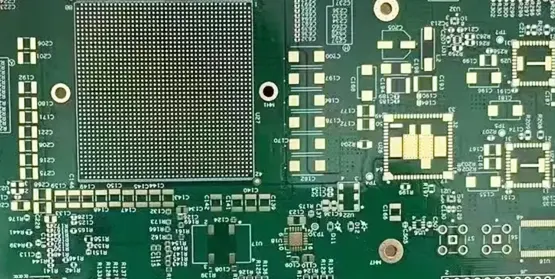
industry pcb

Industrial automation

We provide durable PCBs for industrial machinery and control systems, supporting precision, efficiency, and long-term operation.
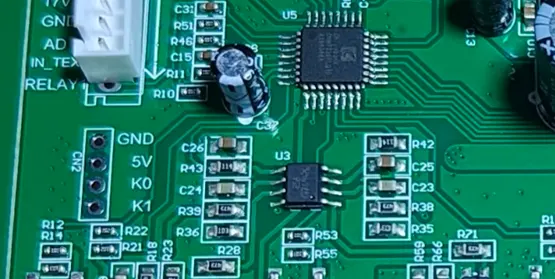
medical

Medical devices

Our PCBs meet strict safety and reliability standards for medical equipment, enabling accurate diagnostics and patient care.
auto pcb

Automotive electronics

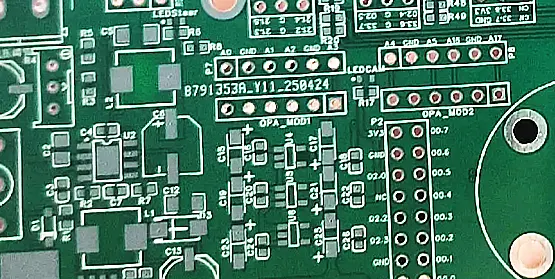
Benlida produces high-quality PCBs for automotive systems, including infotainment, sensors, and control modules.
communicate

Telecommunications

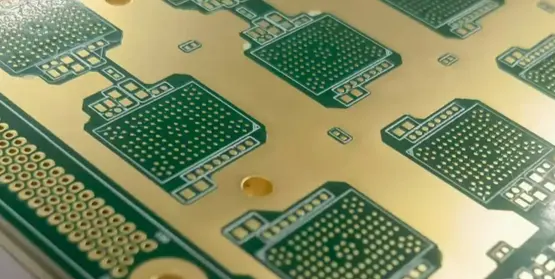
We deliver PCBs for networking and communication devices, ensuring fast data transmission and reliable connectivity.
aero

Aerospace electronics

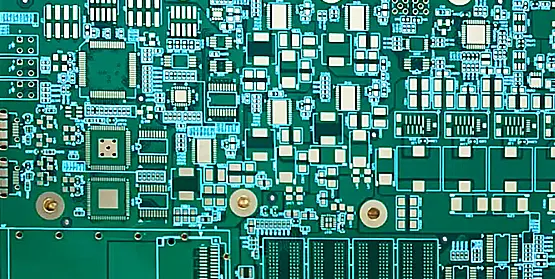
Our aerospace-grade PCBs are designed for extreme environments, providing high reliability for avionics and critical electronic systems.
RELATED PRODUCT

LED PCB

LED PCB

LED PCB

Firmware Flashing 005

HDI PCB

HDI PCB Layers

Flexible PCB

Flexible PCB

Flexible PCB

Request a FR-4 pcb Quote

Getting your FR-4 PCB project into production is simple with our easy and fast quote process. By submitting your Gerber files, BOM, and project details, our team can quickly evaluate your requirements and provide a clear, competitive quote.

Whether you need prototype assembly, low-volume production, or high-volume turnkey solutions, our streamlined RFQ process ensures fast feedback, accurate pricing, and guidance to optimize your PCB assembly for cost, quality, and lead time. Start your project with confidence and get your PCBs manufactured without delays.

Scroll to Top