


High-Performance Ceramic PCB Solutions
Professional Manufacturer of Alumina, Aluminum Nitride & More | High Thermal Conductivity · Superior Electrical Insulation · Extreme Environment Reliability
What is Ceramic PCB?
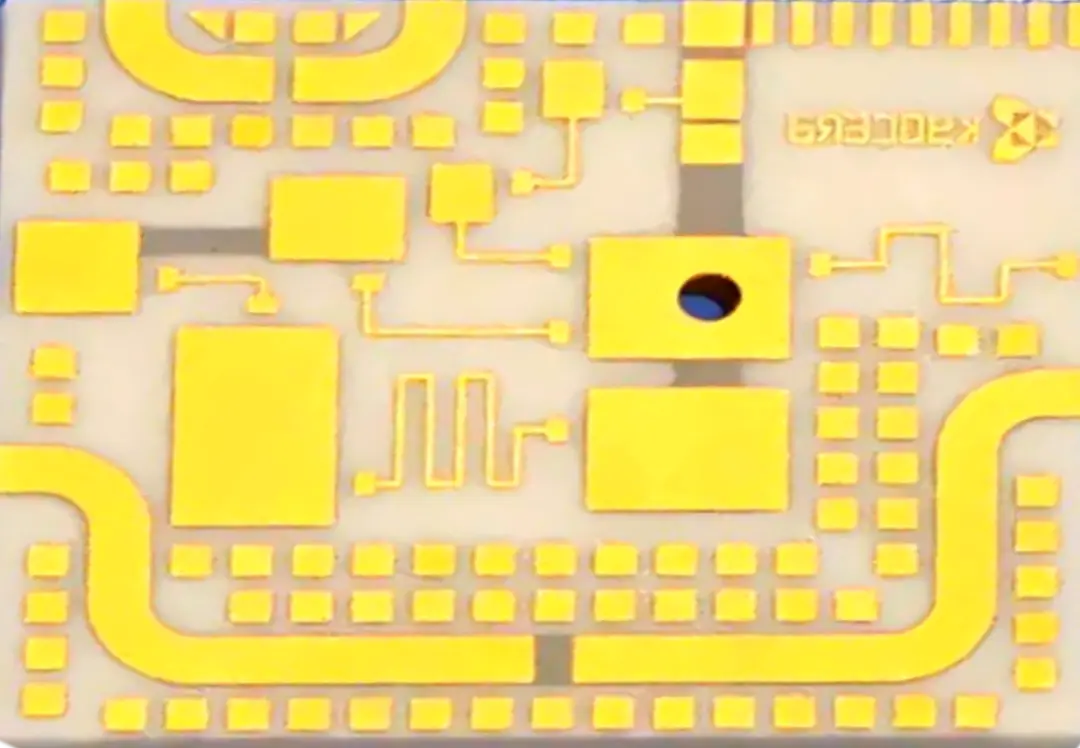
Ceramic PCB (Ceramic Circuit Board) is a printed circuit board using ceramic material as the substrate. Compared with traditional FR-4 (glass fiber and epoxy resin) materials, ceramic PCBs offer superior thermal conductivity, excellent electrical insulation, and outstanding mechanical stability.
Ceramic PCBs typically use high-performance ceramic materials such as Alumina (Al₂O₃), Aluminum Nitride (AlN), and Beryllium Oxide (BeO) as substrates, capable of maintaining stable electrical performance under extreme temperatures, high frequencies, and harsh environments.
- Thermal conductivity up to 170-230 W/m·K (Aluminum Nitride)
- Safe operating temperature up to 800°C
- Low CTE matching semiconductor materials
- Excellent high-frequency performance and chemical corrosion resistance
- Support for High Density Interconnect (HDI) designs
Why Choose Ceramic PCB?
Ceramic PCBs effectively replace traditional PCBs, achieving higher performance with more compact designs. They are particularly suitable for high-power circuits, Chip-on-Board (COB) modules, and proximity sensor products.
Core Advantages of Ceramic PCB
Compared to traditional FR-4 and metal core PCBs, ceramic PCBs offer significant advantages in thermal management, electrical performance, and reliability
Superior Thermal Conductivity
Ceramic materials offer thermal conductivity 100+ times higher than FR-4. Aluminum Nitride (AlN) reaches 170-230 W/m·K, while Alumina (Al₂O₃) provides 20-30 W/m·K, ensuring efficient heat dissipation and preventing thermal runaway.
Excellent Electrical Insulation
Ceramic is a natural electrical insulator, providing reliable isolation between conductive traces and components. Dielectric loss is less than 0.001, maintaining stable dielectric constant even at high frequencies.
Extreme Temperature Resistance
Ceramic PCBs can operate safely at temperatures up to 800°C with outstanding thermal shock resistance (tested -55°C to +150°C), ideal for aerospace and automotive applications.
Outstanding High-Frequency Performance
Low dielectric loss and high breakdown voltage make ceramic PCBs ideal for RF, microwave, and 5G infrastructure, ensuring stable signal transmission with minimal distortion.
Chemical & Environmental Resistance
Ceramic PCBs offer extreme resistance to chemicals, moisture, and environmental factors, suitable for outdoor equipment, chemical processing, and aerospace harsh conditions.
Low Thermal Expansion Coefficient
Ceramic CTE values closely match semiconductor materials (AlN ~4.2 ppm/°C), minimizing mechanical stress during thermal cycling and improving long-term reliability.
Ceramic PCB Material Types
Select the most suitable ceramic substrate based on application requirements, balancing performance and cost
Aluminum Nitride (AlN)
Aluminum Nitride is one of the highest thermal conductivity ceramic PCB materials available, ideal for high-power LEDs, power electronics, and RF modules requiring efficient heat dissipation.
- Excellent thermal conductivity and electrical insulation
- Low CTE similar to silicon
- Good mechanical stability
- Higher cost but superior performance
Alumina (Al₂O₃)
Alumina is the most commonly used ceramic PCB material, offering excellent cost-performance balance. Purity grades include 96%, 99%, and 99.6%, with higher purity providing better performance.
- High cost-effectiveness
- Good electrical insulation properties
- Moderate mechanical strength
- Widely used in LED lighting and automotive electronics
Beryllium Oxide (BeO)
Beryllium Oxide offers the highest thermal conductivity, but due to beryllium toxicity, manufacturing requires strict safety protocols and applications are limited.
- Ultimate thermal conductivity
- Excellent electrical insulation
- Suitable for specialized military and aerospace projects
- Requires professional handling
Silicon Nitride (Si₃N₄)
Silicon Nitride features high strength and fracture toughness, performing excellently in vibration and thermal shock environments, suitable for electric vehicles and high-load applications.
- Extremely high mechanical strength (up to 700 MPa)
- Excellent thermal shock resistance
- Low CTE (~2.6 ppm/°C)
- Suitable for extreme environments
Ceramic PCB vs Traditional PCB Comparison
Understand the performance differences between ceramic PCBs and traditional FR-4 boards
| Property Parameter | Ceramic PCB | Traditional FR-4 PCB |
|---|---|---|
| Base Material | Alumina, Aluminum Nitride, Beryllium Oxide | Epoxy Resin, Glass Fiber |
| Thermal Conductivity | High (Al₂O₃: 20-30, AlN: 170-230 W/m·K) | Low (~0.3 W/m·K) |
| Temperature Resistance | Extremely High (>800°C continuous) | Limited (<130°C continuous) |
| Thermal Expansion Coefficient | Low (matches semiconductors) | Relatively High |
| Mechanical Strength | Excellent, rigid and dimensionally stable | Good but prone to deformation |
| Electrical Insulation | Excellent | Good |
| High-Frequency Performance | Excellent (low dielectric loss) | Moderate |
| Moisture Resistance | Almost zero moisture absorption | Prone to moisture absorption and delamination |
| Cost | Higher | Lower |
| Typical Applications | Power electronics, RF/microwave, aerospace, automotive | Consumer electronics, general equipment |
← Swipe left/right to view full table →
Base Material
Thermal Conductivity
Temperature Resistance
Key Advantages
Ceramic PCB Applications
Ceramic PCBs are widely used in industries requiring high performance and reliability
Automotive Electronics
Engine control units, LED lighting systems, EV power modules, resistant to high temperatures and vibration
Aerospace
Avionics, satellite systems, operating reliably in extreme temperatures and radiation environments
Medical Devices
Medical imaging equipment, implantable devices, with good biocompatibility and stability
Telecommunications
5G infrastructure, radar, microwave communications, with excellent high-frequency performance
LED Lighting
High-power LED modules, efficient heat dissipation extends service life
Power Electronics
IGBT modules, power converters, handling high current and high temperatures
Defense & Military
High-reliability electronic systems, resistant to shock and extreme environments
Industrial Control
Sensors, automation equipment, resistant to chemical corrosion and harsh environments
Ceramic PCB Manufacturing Process
Precision manufacturing processes ensure high quality for every ceramic PCB
Material Preparation
Select high-purity ceramic powders (Alumina/AlN), mix with binders to form slurry
Forming & Lamination
Tape casting to create ceramic substrate, copper lamination to form base material
Pattern Transfer
Photolithography process defines circuit patterns, precise control of line width/space
Etching & Drilling
Chemical etching removes excess copper, laser or mechanical drilling for vias
Surface Treatment
ENIG, silver plating, or gold plating surface finishes to ensure solderability and oxidation resistance
Manufacturing Technology Types
Thick Film: Screen printing conductive paste, cost-effective, suitable for small-medium batches | Thin Film: Vacuum deposition and photolithography, extremely high precision, suitable for miniaturized devices | DBC/DPC: Direct Bond Copper/Direct Plate Copper, thick copper layers, suitable for high-power applications | HTCC/LTCC: High/Low Temperature Co-fired Ceramic, can integrate passive components
Get Free Consultation & Quote
Our ceramic PCB expert team is ready to provide technical support and custom solutions
Why Choose Us?
✓ 17+ years ceramic PCB manufacturing experience
✓ ISO9001:2015, ISO13485:2016 certified
✓ UL certified manufacturer
✓ 100% electrical testing and AOI inspection
✓ Full service from prototype to mass production
✓ Quick quote response within 24 hours