


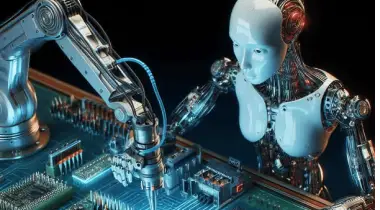
The Future of PCB Assembly: Top 5 Trends to Watch in 2026
As we advance through 2026, the landscape of Printed Circuit Board (PCB) assembly is undergoing significant transformation. With rapid technological advancements and evolving market demands, it is essential for businesses and manufacturers to stay ahead of the curve. This article explores the top five trends that are set to shape the future of PCB assembly, providing valuable insights for professionals in the industry.
1. Increased Automation in PCB Assembly
The integration of automation in PCB assembly processes is not just a trend but a necessity. Automated machinery and robots are being employed to enhance precision, reduce human error, and increase production speed. In 2026, we expect to see:
- Advanced Robotics: Collaborative robots (cobots) will work alongside humans, taking on repetitive tasks and allowing engineers to focus on more complex issues.
- Smart Factories: The rise of Industry 4.0 will lead to smart factories where interconnected devices optimize the manufacturing process.
2. Sustainable PCB Manufacturing Practices
Environmental concerns are driving the push towards sustainability in PCB manufacturing. In 2026, companies will prioritize eco-friendly materials and processes. Key areas of focus include:
- Biodegradable Materials: The use of biodegradable substrates and components will minimize electronic waste.
- Energy-efficient Processes: Manufacturers will adopt energy-efficient machinery and renewable energy sources to reduce their carbon footprint.
3. Integration of Artificial Intelligence
Artificial Intelligence (AI) is revolutionizing the PCB assembly process by enhancing quality control and predictive maintenance. In 2026, AI will be leveraged for:
- Defect Detection: AI-powered vision systems will identify defects at an early stage, ensuring higher product quality.
- Data Analysis: AI algorithms will analyze production data to predict equipment failures and optimize maintenance schedules.
4. Customization and Flexibility
As the demand for tailored electronic solutions grows, PCB assembly will shift towards more customizable and flexible manufacturing processes. Trends to watch include:
- Shorter Production Runs: Manufacturers will focus on smaller batch sizes to cater to niche markets without compromising on efficiency.
- Rapid Prototyping: Technologies like 3D printing will enable quicker prototyping, allowing companies to test and iterate designs faster.
5. Enhanced Supply Chain Resilience
The global supply chain disruptions of recent years have highlighted the need for resilience. In 2026, PCB manufacturers will implement strategies such as:
- Local Sourcing: Sourcing components locally will mitigate risks associated with international shipping and logistics.
- Diverse Supplier Networks: Establishing diverse supplier relationships will ensure continuity and reduce dependency on single sources.