


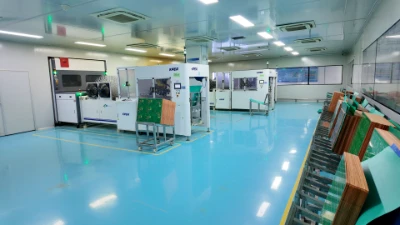
Step-by-Step PCB Assembly Process
Delve into the detailed PCB assembly process, from design to testing, ensuring a flawless manufacturing journey for your electronic projects.
Introduction
The printed circuit board (PCB) assembly process is a critical phase in the electronics manufacturing industry. It transforms a simple design into a functional electronic product. Understanding the step-by-step process of PCB assembly can help engineers, manufacturers, and hobbyists achieve high-quality results. In this article, we will explore each stage of PCB assembly, from initial design through to final testing, while providing actionable insights and practical information.
1. PCB Design
The first step in the PCB assembly process is designing the circuit board. This involves using CAD (Computer-Aided Design) software to create the circuit layout. Key considerations during this stage include:
- Choosing the right components: Select components that meet the specifications of the project.
- Understanding signal integrity: Analyze the layout to ensure minimal interference and optimal performance.
- Thermal management: Ensure proper heat dissipation through adequate spacing and placement of components.
2. PCB Fabrication
After the design is finalized, the next step is PCB fabrication. This involves creating the physical board from the design files. The fabrication process typically includes:
- Laminating: Layers of copper and dielectric materials are laminated together.
- Etching: Unwanted copper is removed from the board, leaving behind the desired circuit pathways.
- Drilling: Holes are drilled for vias and component leads.
- Finishing: The board is coated with a protective layer to prevent oxidation and improve solderability.
3. Component Placement
Once the PCB is fabricated, components must be placed onto the board. This step can be done manually or through automated machines. Key points include:
- Using pick-and-place machines for high precision and efficiency.
- Manual placement for prototypes or small batches, ensuring accurate alignment.
4. Soldering
After components are placed, the next step is soldering them to the PCB. There are several soldering methods:
- Reflow Soldering: Used primarily for surface mount devices (SMD). The PCB is heated in an oven to melt the solder paste.
- Wave Soldering: Suitable for through-hole components. The PCB passes over a wave of molten solder.
- Hand Soldering: Often used for prototyping or repairs, where soldering is done manually.
5. Inspection
After soldering, it’s crucial to inspect the PCB for defects. This can be achieved through:
- Visual Inspection: A thorough visual check for misplaced or missing components.
- Automated Optical Inspection (AOI): Uses cameras and software to detect defects quickly and accurately.
6. Testing
Testing is an essential part of the PCB assembly process to ensure functionality. Common testing methods include:
- Functional Testing: Verifies that the PCB performs its intended function.
- In-Circuit Testing (ICT): Checks for shorts, opens, and component values using specialized test fixtures.
7. Final Assembly
Once testing is complete, the final assembly of the product can occur. This may involve:
- Enclosure assembly: Placing the PCB into its final housing.
- Connecting peripheral components: Attaching connectors, displays, or other accessories.
8. Packaging and Shipping
The last step is packaging the finished products for shipment. Proper packaging ensures that PCBs are protected during transit. Considerations include:
- Using anti-static materials to prevent ESD damage.
- Labeling for easy identification and handling.
Conclusion
The PCB assembly process is a complex yet rewarding journey that requires attention to detail and expertise at every step. By understanding each phase—from design to final testing—you can ensure that your electronic products are manufactured to the highest standards. Whether you’re a seasoned engineer or a hobbyist, mastering the PCB assembly process will lead to successful and reliable electronics.