


Introduction
PCB Assembly (PCBA) is a critical manufacturing process in the electronics industry, involving the assembly of electronic components onto a printed circuit board (PCB). This guide aims to provide a thorough understanding of PCBA, including its processes, components, benefits, and applications in various industries. Whether you are an engineer, manufacturer, or simply curious about electronics, this article will offer valuable insights into PCB assembly.
What is PCB Assembly?
PCB Assembly refers to the process of soldering electronic components onto a PCB to create a functional electronic circuit. A PCB serves as the backbone of electronic devices, providing a platform for electrical connections between components. The assembly process involves several steps, from designing the circuit to final testing of the assembled board.
The PCB Assembly Process
1. Design and Layout
The first step in PCB assembly is the design of the PCB itself. This involves creating a schematic diagram to outline the electrical connections between components. Advanced software tools such as Altium Designer, Eagle, and KiCAD are often used to design the layout of the PCB.
2. Printing the PCB
Once the design is finalized, the PCB is printed using a process called photolithography. This involves transferring the circuit design onto a copper-clad board and etching away the excess copper to create the desired circuit pattern.
3. Component Placement
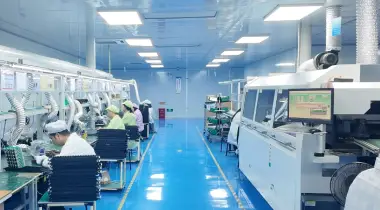
After the PCB is printed, the next step is to place electronic components onto the board. This can be done manually or using automated machines called pick-and-place machines, which accurately position components based on the design specifications.
4. Soldering
Soldering is the process of joining electronic components to the PCB by melting solder at the connection points. This can be done through different methods, such as:
- Wave Soldering: A traditional method where the entire PCB passes over a wave of molten solder.
- Reflow Soldering: Used primarily for surface-mounted devices (SMD), where solder paste is applied to the pads and heated in an oven.
- Hand Soldering: Manual soldering for small batches or prototyping.
5. Inspection and Testing
After soldering, the assembled PCB undergoes rigorous inspection and testing to ensure functionality. Common testing methods include:
- Visual Inspection: Checking for visible defects or misalignments.
- Automated Optical Inspection (AOI): Using cameras to detect defects in solder joints and component placement.
- Functional Testing: Verifying that the assembled board operates as intended.
6. Final Assembly
Once the PCB passes inspection, it may undergo additional assembly processes such as enclosure, wiring, and integration into larger systems.
Benefits of PCB Assembly
PCB assembly offers numerous advantages, including:
- Compact Design: PCBs allow for a compact arrangement of components, saving space in electronic devices.
- Reliability: Proper assembly techniques ensure durable connections, reducing the risk of failure.
- Cost-Effectiveness: Mass production of PCBs can significantly lower costs per unit.
- Scalability: PCB assembly processes can easily be scaled up for larger production runs.
Applications of PCB Assembly
PCB assembly is used in various industries, including:
- Consumer Electronics: Smartphones, laptops, and home appliances.
- Automotive: Control systems, infotainment, and safety devices.
- Medical Devices: Diagnostic machines, monitoring equipment, and surgical instruments.
- Aerospace and Defense: Navigation systems, communication devices, and avionic equipment.
Choosing a PCB Assembly Service
When selecting a PCB assembly service, consider the following factors:
- Experience: Look for a provider with a proven track record in the industry.
- Quality Assurance: Ensure they have quality control measures in place.
- Turnaround Time: Evaluate their production timelines based on your needs.
- Cost: Compare quotes but consider the overall value, not just the price.
Conclusion
PCB assembly is a vital process in the electronics manufacturing industry, transforming electronic designs into functional products. Understanding the intricacies of PCBA can help businesses and engineers make informed decisions, whether for prototyping or mass production. By leveraging the benefits of PCB assembly and selecting the right service provider, you can enhance your product’s quality and reliability, paving the way for success in a competitive market.