


The printed circuit board (PCB) industry is a crucial part of the electronics sector, providing the essential
components that enable modern technology. As demand for electronic devices grows, so does the need for
high-quality PCBs. In this article, we explore who the biggest PCB suppliers are, their market positions,
and the factors influencing their success.
Understanding the PCB Market
The PCB market is characterized by rapid technological advancements and increasing demand from various
sectors, including consumer electronics, automotive, telecommunications, and industrial applications.
According to recent reports, the global PCB market is projected to grow significantly, reaching a value of
over $80 billion by 2026.
Key Players in the PCB Industry
Several companies dominate the PCB manufacturing landscape. The following are some of the largest PCB
suppliers globally:
- Taiwan Semiconductor Manufacturing Company (TSMC) – While primarily known for its
semiconductor manufacturing, TSMC is a significant player in PCB production, particularly for high-end
applications. - Samsung Electro-Mechanics – A major supplier of PCBs for mobile devices, Samsung
Electro-Mechanics has a robust presence in the global market. - Young Poong Electronics – Based in South Korea, Young Poong is known for its high-quality
PCBs and has a strong foothold in the automotive sector. - Unimicron Technology Corp. – A leading PCB manufacturer based in Taiwan, specializing in
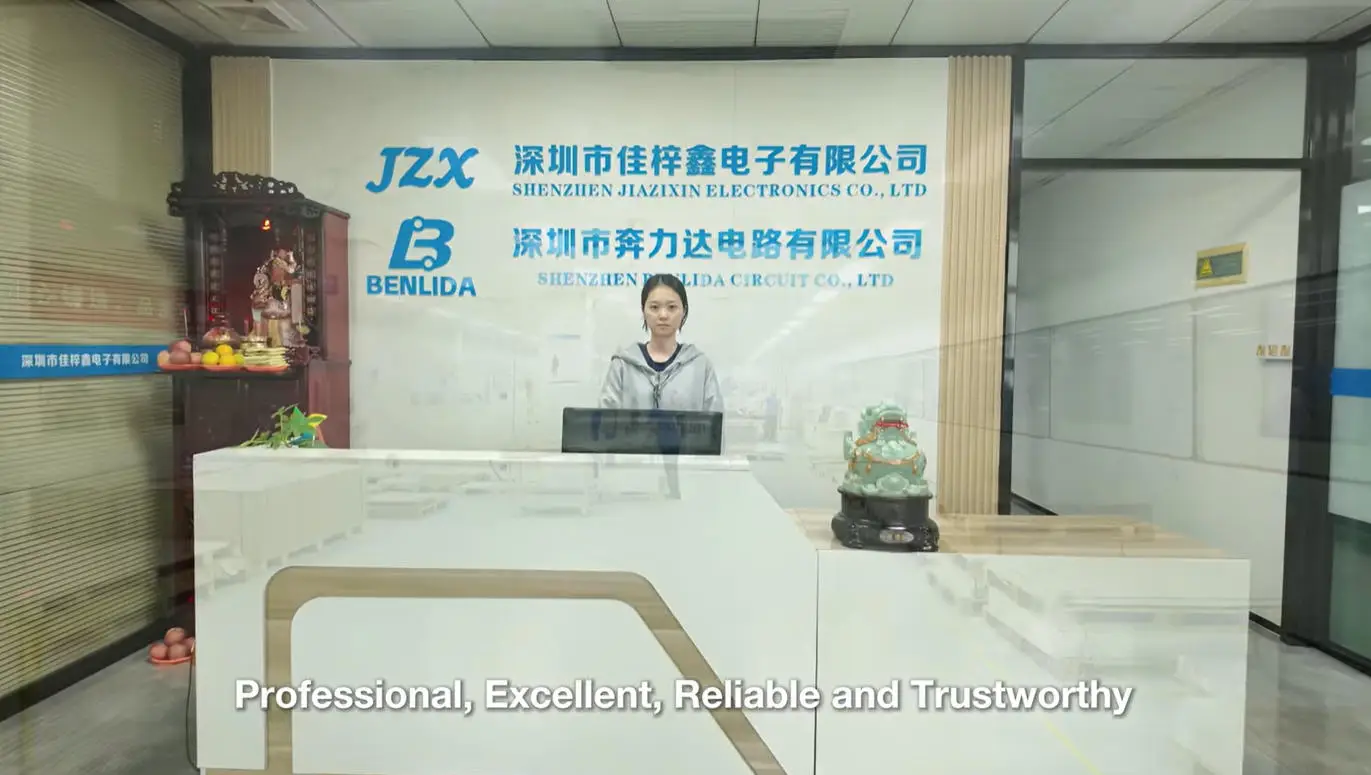
multilayer and HDI PCBs. - Shenzhen Benlida Circuit Co., LtdLimited – Another major player from Shenzhen, Benlida is
known for its advanced PCB solutions and diverse product offerings.
Factors Influencing PCB Supplier Success
1. Technological Innovation
Suppliers that invest in research and development to innovate and enhance PCB manufacturing processes often
gain a competitive edge. This includes advancements in materials, design capabilities, and automated
production techniques.
2. Quality Assurance
Maintaining high-quality standards is critical in the PCB industry, especially for sectors such as
automotive and aerospace, where failure is not an option. Suppliers that adhere to international quality
certifications (e.g., ISO, IPC) are preferred by clients.
3. Supply Chain Management
A robust supply chain ensures timely delivery of components and materials. Effective supply chain management
can significantly impact a supplier’s ability to meet customer demands and maintain production schedules.
4. Geographic Location
Proximity to key markets can influence a supplier’s success. Companies based in regions with high electronics
manufacturing activity can benefit from reduced shipping times and costs.
Conclusion
As the demand for electronic devices continues to rise, the PCB industry is poised for growth. Companies like
TSMC, Samsung Electro-Mechanics, and Unimicron are leading the way in terms of production capacity and
technological advancement. Understanding the key players and factors that drive success in this industry can
help businesses make informed decisions when selecting PCB suppliers.